A concealed shower system hides pipes and valves inside the bathroom wall, creates a clean, modern look and saves space in the shower area. For the contractor, these systems offer a sleek design suitable for both small and large bathrooms, and typically include features like rainfall showerheads, handheld sprays, and precise temperature controls.
This guide will walk professionals and contractors through everything needed to know, you will gain a clear understanding of the operational mechanisms and receive practical guidance to select the most appropriate system for their projects.
Understanding Concealed Shower Systems
A concealed shower system hides all plumbing pipes and valves inside the bathroom walls or ceiling. Only visible showerheads and control handles deliver a clean, modern aesthetic that contractors demand.
Definition and Key Concepts
A concealed shower system is a shower setup where the water pipes and mixing valve are completely hidden within the wall or ceiling cavity. Unlike traditional showers with visible pipes, only the showerhead and control plates are seen. For the contractor, this means the critical rough-in work occurs early in the construction phase.
The system has two main parts. The rough-in valve is installed behind the walls during construction by the contractor. The trim kit includes the visible components that the end-user interacts with daily.
Core Features of Concealed Installations
Your concealed installation requires planning before walls are finished. The rough-in phase happens during construction when plumbers install the valve and run water lines.
Modern systems often use thermostatic valves that maintain precise water temperatures. This is a key selling point for contractors to highlight to clients. Some offer smart controls adjustable via phone.
Benefits Compared to Exposed Shower Systems
Concealed systems create a minimalist look that makes bathrooms more spacious. It provides more usable shower space without protruding fixtures—a significant advantage for contractors.
The rainfall experience from ceiling-mounted heads mimics natural rain for a spa-like feel. This luxury feature also increases home’s resale value and appeals to potential buyers.
Types of Concealed Shower Systems
Concealed shower systems come in different configurations to match your needs and budget. The contractor must understand the main differences involving temperature control methods, outlet options, and the technology used.
Thermostatic vs. Manual Systems
Thermostatic systems keep your water temperature steady, even when someone flushes a toilet or uses another faucet. These systems use special cartridges that adjust water flow automatically to maintain your set temperature.
Manual systems use a simple mixer valve controlled by hand. Turn the handle to blend hot and cold water until it feels right. These cost less but require more adjustment during the shower.
Single vs. Multi-Outlet Designs
Single-outlet systems connect to one shower head. They work well for basic setups and smaller bathrooms.
Multi-outlet designs allow several water sources to run at once, such as an overhead rain shower, handheld spray, and body jets. These systems require separate diverter valves hidden in the wall, which necessitates more complex planning by the contractor.
Key Components and Features
A concealed shower system includes several important parts to control your water flow and temperature. The valve body hides behind your wall and mixes hot and cold water. You’ll see the control handles, showerhead, and any digital features on the surface.
Overhead Shower Options
Contractors can choose from different overhead shower styles for a concealed system. Rain showerheads deliver a gentle, wide spray. Ceiling-mounted options create a clean look with pipes run through the ceiling, while wall-mounted versions work if ceiling access isn’t possible. Many let users adjust the spray pattern, which is a feature contractors should demonstrate.
Hand Showers and Accessories
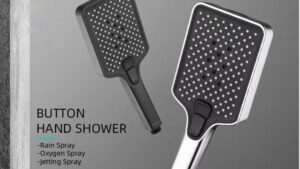
Hand showers attach to the concealed system through a separate outlet on the valve. Most come with a sliding bar for height adjustment. A diverter valve lets users switch between the overhead and hand shower. Contractors should look for models with multiple spray patterns and easy-grip handles.
Digital and LED Displays
Digital displays show your water temperature in real numbers. This helps you set the exact temperature you want and prevents burns. LED screens are easy to read even in a steamy bathroom.
Some systems include touch controls instead of traditional knobs. You can save your preferred temperature settings and switch between them with one touch.
Installation Guide for Professionals
Installing a concealed shower system requires careful planning and precise execution to hide plumbing components and maintain full functionality. Addressing wall depth, waterproofing, and code compliance is critical.

Step-by-Step Installation Process
- Turn off the water supply first.
- Cut openings in the wall for the valve body and secure it level using mounting brackets.
- Connect supply lines with tape on all threaded connections.
- Install the rough-in valve body according to manufacturer specifications.
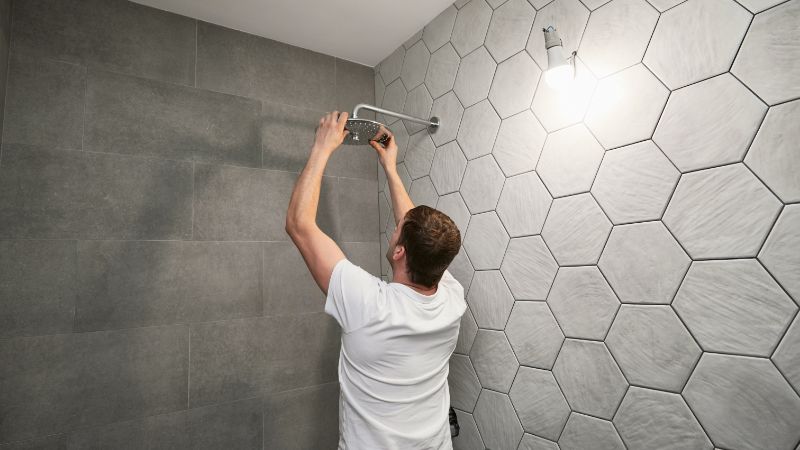
- Mount the showerhead arm and control trim plate once wall finishing is complete.
- Test all connections before sealing the wall.
Common Challenges and Solutions
Low water pressure may indicate kinked lines or closed shutoff valves. Leaking connections require additional Teflon tape or tightening. If temperature control feels inconsistent, recalibrate the thermostatic valve following manufacturer instructions.
Safety and Regulatory Considerations
Bathroom installation must meet local plumbing codes for valve placement and backflow prevention. Install proper waterproofing membranes around all penetrations to prevent water damage behind walls.
Maintenance, Support, and Warranty
Regular care keeps the system functioning, and the understanding of warranty terms helps the contractor manage client expectations and protect the installation.
Routine Cleaning and Upkeep
Clients should clean the system monthly with a soft cloth and warm water; contractors should advise against harsh cleaners. Limescale on showerhead nozzles can be soaked and brushed. Contractors can recommend checking seals and wiping down control panels periodically.
Troubleshooting and Repairs
Reduced flow often stems from limescale in nozzles or filters. For temperature issues or leaks, contractors should contact the manufacturer’s support. Many brands offer video guides and remote assistance for professionals.
Customer Support and Return Policies
Quality brands typically offer a 5-year warranty on major components like valve cores. Contractors should keep receipts to verify purchase dates. Some companies provide 24/7 support and 30-day returns for defects; contractors must check specific terms as coverage varies.
Shopping Tips for Contractors
Smart shopping for a concealed shower system means watching for sales, checking out newly released products, and using discount strategies to get the best deal possible.
Comparing Sale Prices and Value
Don’t just grab the first sale price you see. Check multiple retailers to compare what you’re actually getting for your money. A $500 system at 30% off might still cost more than a $400 system with better features.
Look at what’s included in each package. Some deals cover just the valve and showerhead, while others include handheld sprays and installation kits.
Latest Product Launches
New launches often come with introductory pricing that beats regular sales. Manufacturers release updated models with improved ceramic valve cores or better temperature controls each season.
Sign up for email alerts from bathroom fixture retailers to catch these releases early. New products sometimes offer better warranties than older models.
Choose Your Professional Concealed Shower System Supplier: Leelongs
Established in 2001, Leelongs is a leading global manufacturer and OEM/ODM service provider of bathroom products. We specialize in modern bathroom technology, dedicated to offering global clients high-quality, minimalist-designed, and high-performance shower solutions.
Key Product Features
- Sleek Concealed Design: Space-saving in-wall installation; minimalist modern aesthetic.
- Thermostatic Safety: Precise pressure balancing; anti-scald temperature control.
- Spa-Like Experience: Large-format rainfall heads; multi-function filtered hand showers; residual chlorine removal; skin-health purification technology.
- Durable & Low Maintenance: High-quality brass and stainless steel construction; easy-clean anti-clog silicone nozzles.
Dealer & Contractor Services
Leelongs provides end-to-end technical support and precise installation guides, supports OEM/ODM with factory-direct pricing, and offers long-term warranties with essential spare parts for instant repairs. We also provide sales enablement tools to help partners demonstrate product value and maximize customer satisfaction.
Ready to elevate your project? Contact our specialists for a tailored quote or technical consultation today.
Frequently Asked Questions
How should we guide clients with different budgets to choose between manual and thermostatic control systems?
Recommend manual systems for budget projects with stable water pressure. For most clients, thermostatic systems are a superior investment because they provide consistent comfort and prevent sudden temperature shifts for enhanced safety.
What should you know about the water pressure requirements for a concealed shower system?
Most ceiling-mounted shower heads need at least 45-50 PSI to work properly. Low pressure creates weak flow. Have a plumber test your home’s water pressure before buying. If your pressure is too low, you might need a booster pump or a smaller shower head.
What key spare parts should we recommend contractors or clients keep in stock to ensure post-sales customer satisfaction?
Always stock replacement thermostatic/manual valve cartridges. Also recommend keeping showerhead nozzle cleaners and common seals or screws. This enables quick fixes for common issues like flow reduction or minor leaks.
What advice should we provide when customers inquire about installation qualifications?
Always advise using a licensed, professional plumber. Precise rough-in installation is critical for concealed systems and must meet local codes. Proper installation ensures functionality and protects the product warranty.
How should we handle common return or repair requests, especially when the issue might stem from improper installation?
First, verify issues against the manufacturer’s warranty for defects. For problems like leaks, suggest an inspection by the original installer. Note that warranties exclude damage from improper installation or lack of maintenance.