Is your morning shower more of a frustrating trickle than a refreshing cascade? A weak, sputtering shower is a common household annoyance, but the culprit is often a simple one: a clogged shower head. Mineral deposits from hard water, sediment, and general buildup can block the nozzles over time, drastically reducing water pressure.
You don’t need to rush out and buy a new one just yet. Before you spend any money, try these three easy, effective methods to get your shower flowing like new again.
What You’ll Need
Gather these common household items before you start:
|
Fix 1: Deep Clean the Nozzles and Filter
This is the most common and effective solution. We’ll start with the simplest method and move on to a deeper clean for more stubborn clogs.
Method A: The Vinegar Soak (For Mild Clogs)
This classic, all-natural method works wonders on minor mineral buildup.
- Prepare the Solution: In a sturdy plastic bag, mix equal parts white vinegar and warm water.
- Soak the Shower Head: Secure the bag over your shower head with a rubber band or zip tie, ensuring all the nozzles are fully submerged in the solution.
- Wait it Out: Let it soak for at least 2 hours. For very tough hard water stains, you can leave it overnight. The acidic vinegar will dissolve the mineral deposits.
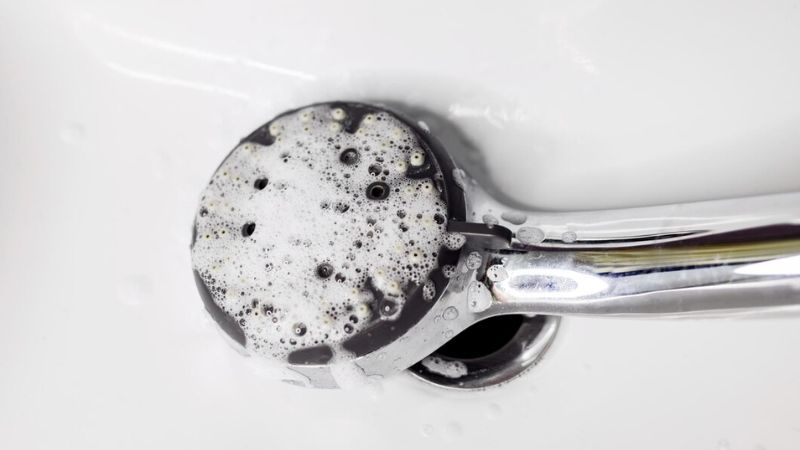
- Scrub and Rinse: Remove the bag and gently scrub the nozzles with an old toothbrush. You’ll see the loosened debris come right off. Finally, turn on the shower for a minute to flush everything out.
Alternative: If you don’t have vinegar, a household descaling cleaner or even lemon juice can work. Just spray it on, let it sit, scrub gently, and rinse thoroughly.
Method B: The Deep Clean (For Stubborn Mineral Buildup)
If the vinegar soak didn’t do the trick, it’s time for a more thorough cleaning.
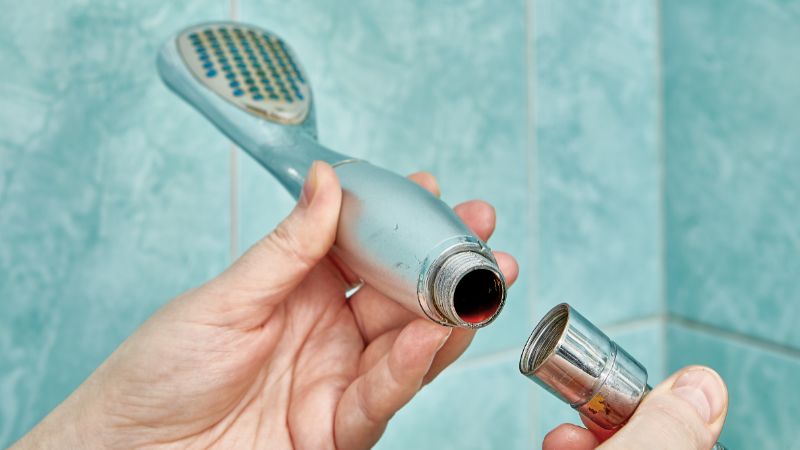
- Disassemble: Carefully unscrew the shower head from the shower arm. You may need a wrench for this—if so, wrap the nut with a cloth to prevent scratching the finish.
- Soak in Citric Acid: In a bucket, dissolve 2 tablespoons of citric acid into hot water (around 140°F / 60°C). Submerge the shower head completely for about an hour.
- Clear the Filter Screen: While it soaks, inspect the filter screen at the back of the shower head where it connects to the pipe. Use a toothpick to gently pick out any trapped sediment or debris. Avoid using metal tools, as they can damage the screen.
- Flush the System: Reattach the shower head and run hot water through it for a few minutes to flush out any remaining particles.
Fix 2: Check Your Home’s Water Pressure
Sometimes, the problem isn’t a clog, but low water pressure throughout your home. A simple test can tell you if the issue is with the shower head or your plumbing. If other faucets in your house also have weak flow, you may have a larger plumbing issue that requires a professional. If the pressure is fine everywhere else, the problem is isolated to your shower.
Fix 3: Inspect the Water Inlet and Outlet Ports
If cleaning the nozzles didn’t solve the problem, the blockage might be deeper in the assembly. Detach the shower faucet assembly from the wall and thoroughly clean the water intake and outlet connections. Look for mineral buildup or debris that could be obstructing flow. If you find any parts that are cracked or appear damaged, it’s best to replace them.
Prevention is Better Than a Cure
Once your shower is flowing freely, keep it that way with these preventative maintenance tips:
- Install a Mesh Filter: This will trap sediment before it ever reaches your shower head.
- Use a Water Softener: If you live in a hard water area, a water softener is the ultimate solution to prevent limescale buildup in all your appliances.
- Perform Monthly Maintenance: Once a month, give the nozzles a quick scrub with a paste of baking soda and toothpaste.
- Shake it Dry: After each shower, give the shower head a quick shake to dislodge excess water that could lead to mineral deposits.
- Buy a Shower Head Cleaning Brush: A specialized brush makes weekly upkeep fast and easy.
Common Mistakes to Avoid When Cleaning Your Shower Head
To protect your shower head’s finish and internal parts, never use:
- Harsh Cleaners: Avoid bleach, toilet bowl cleaner, or other aggressive chemicals. They can degrade rubber seals and damage the finish.
- Steel Wool: This will scratch and ruin the chrome or nickel finish of your fixture.
- Excessively Hot Water: Setting your water heater above 140°F (60°C) can accelerate limescale buildup.
Know When It’s Time for a Replacement
If you’ve tried all these fixes and your shower pressure is still weak, it might be time for an upgrade. Internal components can wear out or break over time. A new shower head is an inexpensive way to dramatically improve your daily shower experience.
At Leelongs, we design our shower heads with easy-to-clean nozzles and durable materials to resist clogging and deliver a powerful, consistent flow for years to come. Explore our collection to find the perfect upgrade for your bathroom.