Faucet, tap, and spigot are terms often used interchangeably, but they actually refer to different types of water fixtures. A faucet usually describes indoor fixtures like those found in kitchens and bathrooms, a tap is a more general term used globally to mean any water outlet, and a spigot specifically refers to outdoor fixtures like garden hose connections.
Knowing which term applies in different situations also helps clarify instructions or advice from professionals. This article breaks down those differences clearly to guide readers through the choices.
Clarify Core Definitions of Faucet vs Tap vs Spigot
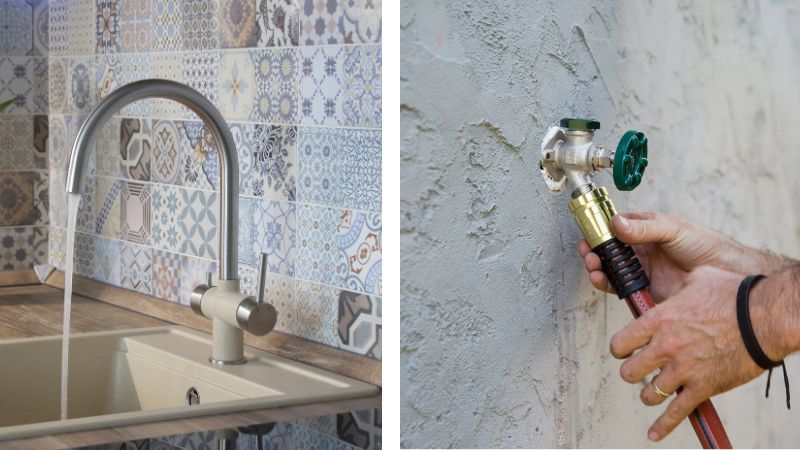
A faucet usually refers to indoor plumbing fixtures controlling water flow in kitchens and bathrooms. It often includes single or double handles and connects to a water supply under controlled pressure. Faucets emphasize design and ease of use.
A tap is primarily a British English term similar to faucet but can also imply simpler water outlets. Taps are common in household sinks and bathrooms, and the term is widely used interchangeably with faucet in many regions.
A spigot is mostly an outdoor fixture attached to water tanks, hoses, or garden setups. It typically handles unpressurized or lower-pressure water flow and is designed for durability and external use.
| Feature | Faucet | Tap | Spigot |
|---|---|---|---|
| Location | Indoor (kitchen, bath) | Indoor or outdoor | Outdoor (gardens, yards) |
| Water Control | Hot & cold mixing | Varies | Cold only |
| Complexity | More complex (aerators, variable flow) | Simple to complex, region dependent | Very simple valve |
Comparing the Key Differences Across Three Dimensions
Understanding the distinctions between a faucet, tap, and spigot involves recognizing their language origins, specific functions, and typical installation settings. Each term relates to devices that control water flow, but they vary based on region and usage context.
| Feature | Faucet | Tap | Spigot |
|---|---|---|---|
| Location | Indoors (kitchens, baths) | Indoors (common in UK) | Outdoors (gardens, tanks) |
| Function | Controls water flow inside sinks or baths | Same as faucet | Controls water from tanks or outdoor pipes |
| Regional Usage | US English | UK/International English | US English |
Language and Regional Usage
The terms “faucet,” “tap,” and “spigot” are largely influenced by regional language differences. In the United States, “faucet” is the preferred term for indoor water fixtures. Meanwhile, in the United Kingdom and many Commonwealth countries, the same device is called a “tap.”
The word “spigot” is more common in American English and generally refers to outdoor water outlets. It is less frequently used in British English. These language distinctions matter when shopping for fixtures or discussing plumbing, especially across different regions.
Primary Functions
A faucet and a tap serve the same essential function: controlling water flow in sinks, bathtubs, or showers. Both have valves that turn water on or off and often regulate temperature. The faucet/tap is designed mainly for indoor water delivery.
Spigots are typically built to manage liquid flow from containers or outdoor water supplies. They are simpler in design and usually found on garden hoses or barrels. A spigot can handle wider pressure ranges and is generally more rugged due to outdoor exposure.
Installation Locations
Faucets are primarily installed indoors—kitchens, bathrooms, and laundry rooms. They often have finishing treatments and designs meant to complement interior decor. Installation usually requires connection to the household plumbing system.
Taps share the same indoor settings as faucets, especially in regions where the term is standard. They can also be found in some outdoor home applications but less commonly than spigots.
Spigots are almost always installed outdoors. Common spots include garden walls, water tanks, or irrigation systems. Their location and design suit outdoor use where exposure to weather and rougher handling are expected.
Common Applications in Modern Homes
Faucets, taps, and spigots have distinct roles based on their design and typical locations within the home. Each serves specific functions that align with indoor or outdoor water access needs.
Kitchen and Bathroom Applications
Faucets are the primary fixtures used indoors, especially in kitchens and bathrooms.
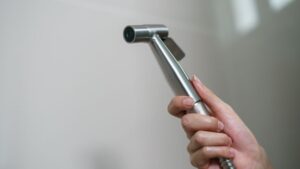
Bathrooms commonly have faucets attached to sinks, bathtubs, and showers. Kitchens usually feature faucets with pull-out spray heads to improve cleaning efficiency. These faucets focus on ease of use, water conservation, and durability under frequent use.
The design often prioritizes aesthetics to match home decor. Materials like stainless steel, brass, or chrome are common. Indoor fixtures include valves that enable smooth flow adjustments, sometimes with touch or sensor technology
Outdoor and Garden Use
Spigots primarily serve outdoor purposes. They are designed for garden hoses and watering systems. Weather-resistant materials help prevent freezing or corrosion. Spigots typically have simple on/off valves without mixing functions.
They are installed on exterior walls or water tanks to provide quick access for gardening, washing cars, or filling pools. Some spigots feature frost-proof designs where the valve is inside the house to avoid pipe freezing in winter.
Spigots differ from indoor faucets by their robust construction and ease of replacement, often tightened with simple nuts. They do not generally include aerators or temperature controls since they mostly deliver cold water. Their focus is durability and straightforward operation.
| Fixture | Typical Location | Common Use | Features |
|---|---|---|---|
| Faucet | Indoors (kitchen, bath) | Controlled water flow with mix | Temperature mixing, aerators |
| Tap | Indoors (regional term) | Basic water outlet indoors | Simple on/off, less feature-rich |
| Spigot | Outdoors | Garden hoses or outdoor water | Weather-resistant, durable |
Choosing the Right Term: Types and Considerations
Selecting the appropriate term depends heavily on location and the specific context in which the fixture is used. Understanding the nuances in language and usage can help avoid confusion, especially when communicating with professionals or purchasing fixtures.
Determine the Installation Location (Indoors vs. Outdoors)
This is the most fundamental decision point and will immediately narrow down your options.
Indoors (Kitchen, Restroom, Bathroom): You need a Faucet (in American English contexts) or a Tap (in British English contexts). They are designed for indoor living and connect to the household pressurized water supply.
Outdoors (Garden, Yard, Exterior Wall): You almost always need a Spigot. It is built for outdoor durability and is used to connect hoses, water gardens, or wash items.
Refine Function Based on Indoor Scenarios
Once indoors is determined, choose the type of Faucet/Tap based on the specific room and use:
Kitchen Sink: Choose a kitchen Faucet/Tap with an aerator to conserve water and prevent splashing. Consider if you need a pull-out or pull-down spray head for flexible cleaning of the sink and food items.
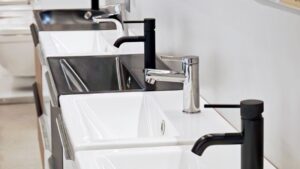
Bathroom Vanity: Choose a bathroom Faucet/Tap whose style matches your bathroom decor. Common types include single-hole, widespread (separate hot and cold), or faucets with a pop-up drain assembly.
Bathtub or Shower: You need a bathtub/shower mixer valve, which falls under the broad category of Faucet/Tap, specifically designed for precise control of water temperature and flow rate.
Select a Spigot for Outdoor Needs
When the purpose is outdoors, focus on the Spigot’s durability and special designs:
Basic Garden Use: Choose a standard wall-mounted Spigot, ensuring its connection matches your garden hose.
Cold Climates: It is essential to choose a frost-proof Spigot. Its valve body is located inside the house to prevent pipes from freezing and bursting in winter.
Connecting to a Rain Barrel or Water Tank: Choose a Spigot designed for barrels/containers. It typically has shorter threads for easy installation on plastic or wooden containers.
Conclusion
Ultimately, whether you’re installing a new kitchen centerpiece, fixing an outdoor water source, or simply following a tutorial, the right word matters. Let this be your simple guide: for indoor refinement, think faucet (US) or tap (UK); for outdoor utility, think spigot. With this clarity, you can confidently tackle your next project or conversation.
Explore More at Leelongs
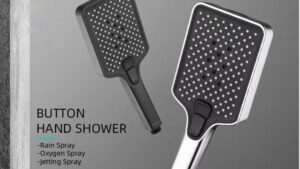
When it comes to outfitting your bathroom with reliable and stylish shower products, LEELONGS offers a compelling array of choices that promise both quality and innovation.
Here’s why you should consider LEELONGS for your shower product needs:
Uncompromising Quality and Craftsmanship:
- Built with high-quality materials and superior craftsmanship for durable, long-lasting performance.
- Durable products crafted from premium materials with superior attention to detail.
Extensive Product Range:
- A complete selection for any project, from faucets and shower sets to mixers and innovative filtered shower heads.
- Your one-stop source for bathroom fixtures, including innovative filtered shower heads and modern accessories.
Innovation in Design:
- Introducing over 100 new designs annually to deliver fresh, functional, and aesthetically pleasing products.
- At the forefront of trends, with over 100 new designs each year for contemporary bathrooms.
- Continuously innovating with modern designs that blend fresh aesthetics with practical function.
Trusted OEM & ODM Partner:
- An experienced partner offering flexible, customized shower product solutions for businesses.
- Leverage our expertise to develop customized product solutions for your specific project needs.
- We provide expert OEM & ODM services to bring your unique product vision to life.
Choosing LEELONGS means investing in products that combine thoughtful design, reliable performance, and exceptional quality. Contact us for a free quote.
Frequently Asked Questions
Understanding the specific roles and naming conventions of faucets, taps, and spigots helps when choosing or discussing plumbing fixtures. Their use varies by location, application, and even language preferences.
What is the difference between faucets, taps, and spigots in the kitchen?
In kitchens, faucets are the most common term in North America and refer to fixtures that mix hot and cold water, often with aerators. Taps generally describe similar fixtures in other English-speaking countries but may lack complex mechanisms. Spigots are less common indoors but can describe simple valves on kitchen sinks or outdoor water sources.
Are there any distinct uses for faucets, taps, and spigots in the bathroom setting?
Bathrooms typically use faucets or taps to manage water flow for sinks, bathtubs, or showers. Faucets often include temperature mixing and aerators, while taps might be simpler valves in regions that prefer the term. Spigots are rarely used indoors in bathrooms and are mostly outdoor fixtures.
Why do some regions use the term ‘faucet’ while others prefer ‘tap’?
The difference comes from historical and linguistic development. “Faucet” originates from old French and is common in the US, reflecting specific plumbing designs. “Tap” comes from older English usage and remains in use across the UK and countries influenced by British English.
Can I interchange the terms faucet, tap, and spigot when shopping for bathroom fixtures?
While the terms are sometimes used interchangeably, it’s best to use the regionally appropriate term when shopping. Using the correct term helps avoid confusion, especially when choosing fixtures that need specific features like temperature control or aerators.