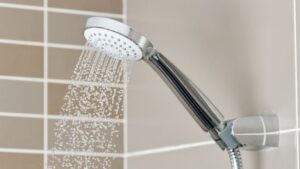
A showerhead is more than a water outlet—it is a small engineered assembly that shapes spray, flow, and finish for retail packs, project ranges, and OEM lines. Knowing the parts helps buyers compare SKUs, write specs, and reduce returns tied to fit or performance.
This guide maps showerhead components, how they work, care notes for after-sales guidance, and how to choose models for an assortment—not only for a single bathroom install.

Shower Head Parts at a Glance
- Faceplate: the front surface that distributes water.
- Nozzles: the openings that shape the spray pattern.
- Filter screen: helps catch debris before it reaches the shower head.
- Flow restrictor: controls water flow where required.
- Swivel ball joint: allows the shower head angle to be adjusted.
- Washer: helps create a watertight seal at the connection.
- Threaded connector: attaches the shower head to the shower arm.
External Components of a Shower Head
External parts are what shoppers and project buyers see first—they drive spray look, finish match, and perceived build quality in a catalog or showroom.
A. Faceplate: The Water Distributor
The faceplate is the most prominent part of the showerhead—the broad surface from which water flows. Its design is not only aesthetic; it is engineered to distribute water across the nozzles.
- Materials: durable metals such as chrome-plated brass and stainless steel (resistant to rust and corrosion), or lighter, more affordable plastics (ABS is common).
- Assortment role: faceplate shape and nozzle layout set the spray pattern tier—a flat plate with even nozzles for a standard spray SKU, or a contoured layout for massage-jet and rain-shower variants.
B. Nozzles: Shaping the Flow
Nozzles are the small, precisely engineered openings in the faceplate that shape and direct individual streams of water.
- Materials: silicone and rubber are favored for flexibility, durability, and resistance to mineral buildup (limescale). Self-cleaning properties help maintain consistent pressure and reduce clogging over time.
- Product-card feel: fewer larger nozzles for a forceful, targeted spray; many fine nozzles for a softer rain-style SKU. Layout still drives which spray patterns you can claim.
C. Swivel Ball Joint (if applicable): Aiming Your Spray
The swivel ball joint connects the showerhead to the arm and lets users tilt and rotate the spray.
- Buyer request: for retail and hospitality ranges, adjustable aim is a common feature request.
- After-sales note: it is also a common leak point if sealing is weak—worth calling out in install notes and after-sales guidance so field complaints stay low.
D. Arm and Flange: The Supporting Structure
The shower arm (the pipe extending from the wall) supports the showerhead; its length sets distance from the wall and influences showering space. The flange—a decorative escutcheon—covers the arm connection for a clean finish.
- Finish families: chrome, brushed nickel, matte black, and oil-rubbed bronze—finishes that should match the rest of a bathroom fixture assortment.

Internal Components of a Shower Head
Internal parts are less visible on a product photo but decide flow, filtration claims, and spray consistency—key for specs and warranty language.
A. Flow Restrictor: Conserving Water
Often a small plastic disc with a tiny hole, the flow restrictor caps volume for water-efficiency labeling and market rules.
- Typical limit: standard units limit flow to 2.5 gallons per minute (GPM) or less where federal (or equivalent) rules apply—plan SKUs and packaging copy around the target market’s limit.
- Assortment flag: restrictors save water but can cut felt pressure on low-pressure installs—flag low-flow vs high-pressure markets when building a line.
- Compliance: removing or modifying a restrictor may raise flow, but it can break labeling claims and raise water use; keep compliance notes clear for buyers.
B. Filter (if applicable): Purifying the Stream
Some showerheads incorporate a filter system to purify the water stream.
- Common media: fine mesh screens (larger sediment), KDF-55 (a copper-zinc alloy that reduces chlorine and other impurities), or activated carbon (chlorine, taste, and odor).
- Claims & care: filters support cleaner-water claims by cutting sediment, chlorine, and related impurities. Cartridge care intervals belong in retail care copy and refill-program planning so performance stays consistent through the service life.
C. Internal Water Channels: Directing the Flow
A network of internal channels in the showerhead body guides water from the inlet to the nozzles. Channels are not uniform—they are shaped to create specific spray patterns.
- Massage / pulse: channels may create varying water pressures for a pulsating spray.
- Rain shower: channels are engineered for even distribution across numerous nozzles.
- Feature depth: channel complexity relates directly to features and the variety of spray patterns offered.
D. Mixing Chamber (for thermostatic showerheads): Consistent Temperature
Thermostatic showerheads incorporate a mixing chamber with a thermostatic mixing valve that monitors and adjusts hot and cold water to hold a pre-set temperature, even when pressure or temperature fluctuates.
- Buyer value: steadier temperature under pressure swings and lower scald risk—useful for hospitality, multi-family, and family-bath SKUs where safety messaging matters.

Maintenance and Cleaning: Keeping Your Showerhead Performing at Its Best
Regular maintenance keeps spray performance stable and cuts return-related complaints. Use the notes below for care copy and after-sales guidance:
Regular Cleaning
- Why: Hard water minerals (calcium, magnesium) cause limescale buildup, clogging nozzles and reducing water pressure.
- How — vinegar soak: Fill a bag with white vinegar, submerge the showerhead, secure with a rubber band, and soak for 30 minutes to overnight.
- How — commercial cleaners: Use a limescale remover designed for showerheads, following product instructions.
- How — baking soda paste: For light cleaning, apply a paste of baking soda and water; scrub gently with a soft brush.
Type-Specific Cleaning
- Consult the manufacturer’s instructions for optimal cleaning methods and precautions for the specific showerhead model.
- Avoid abrasive cleaners and harsh scrubbing tools to prevent damage to the finish.
Preventing Limescale
- Wipe down after use: Recommend wiping the faceplate after use to cut residual water and slow mineral spotting—simple care language for retail inserts.
- Water softener: Consider installing a water softener to reduce limescale buildup in the entire plumbing system.
- Rubber nozzle care: Gently rub rubber nozzles to dislodge mineral deposits and maintain flexibility.
Choosing the Right Showerhead for Your Assortment
Selecting showerhead SKUs means matching market pressure, spray tiers, finish families, and install standards—not only one bathroom layout.
Water Pressure: Match the Market
Supply pressure shapes which heads perform well. Low-pressure markets need heads designed for those conditions; high-pressure markets allow a wider spray range but may need pressure-regulating options in the line.
Spray Pattern Tier: Assortment Depth
Cover the spray tiers your buyers expect—gentle rain, pulsating massage, focused jet—and decide how many multi-function vs single-mode SKUs belong in the range.
Price Tier: Features vs Cost
Plan good / better / best tiers—from value replacements to feature-rich heads—so cost and claimed features stay aligned for each channel.
Style and Finish: Match the Fixture Family
Keep showerhead finishes consistent with the faucet and accessory family. Popular finishes include chrome, brushed nickel, oil-rubbed bronze, and matte black.
Installation: Connector and Arm Compatibility
Confirm connection type and size against regional arm standards before locking a SKU—mismatched threads drive install failures and returns.
Understanding showerhead anatomy helps buyers and brand teams specify the right parts and spray tiers—by pressure, pattern, finish, and connector—so the assortment fits the market and after-sales stay manageable.

Shower Products from Leelongs
Browse the full range on our products page. Example from the line: rain shower faucet with hand shower. For OEM/ODM or project sourcing, share your market and product brief via Contacts.