Why Shower Head Hygiene Belongs in the Product Brief
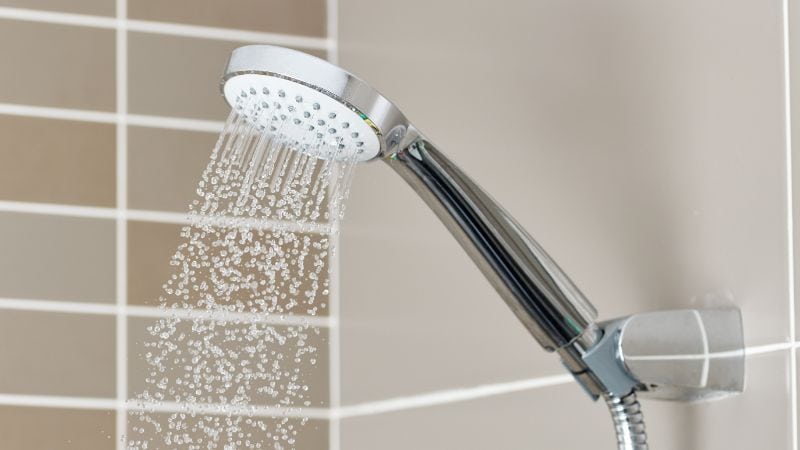
Shower heads operate in warm, humid conditions and remain damp between uses. Mineral-rich water, soap residue, and hard-water deposits can build up on the spray face and inside the waterways.
Over time, this buildup may cause:
- Limescale and internal residue
- Clogged nozzles
- Reduced water flow
- Uneven spray patterns
The CDC notes that biofilm can develop in water-using devices and recommends cleaning shower heads when buildup is visible.
For manufacturers and B2B buyers, hygiene should be considered during product selection. A well-designed shower head should be easy to inspect, clean, drain, and maintain.
Design for a Cleaner Shower Head
Shower Head Inside Waterway
Smooth internal passages, limited dead zones, and clear drainage paths help reduce trapped residue and make the waterway easier to flush.
Shower Face Design
Silicone Nozzles: Flexible tips allow mineral deposits to be loosened by rubbing rather than scraping.
Removable Stainless Steel Shower Faceplate: A removable faceplate provides access to the back of the spray plate and internal surfaces.
Self-Cleaning Nozzles: In compatible constructions, a cleaning-pin structure passes through the outlet holes to dislodge deposits.
Call these features “easy-clean” or “anti-clog” unless testing supports a stronger claim. A cleanable design reduces maintenance effort; it does not remove the need for inspection.
Shower Head Material Selection
Material choice should balance wet-area durability, cleanability, tooling, finish consistency, weight, and target price. No material makes a poorly designed internal waterway hygienic by itself.
| Material | Useful properties | Procurement focus |
| ABS plastic | Lightweight, impact-resistant, moldable into controlled waterways, and suitable for plated or coated finishes | Resin specification, molding quality, weld lines, plating adhesion, and cleaner compatibility |
| Stainless steel | Strong, corrosion-resistant, and suitable for thin faceplates or large rainfall surfaces | Grade, passivation, surface finish, burr control, and detachable-face sealing |
| Brass | Useful for strong threaded connections, joints, and premium metal constructions | Alloy declaration, weight, coating, machining accuracy, and applicable material requirements |
Most of our shower heads use ABS because it supports complex molded structures, stable dimensions, surface finishing, and competitive large-volume production. We combine it with silicone, stainless steel, or brass where the design requires those properties.
Where Filtered Shower Heads Fit
A filtered shower head can reduce selected incoming-water concerns before water reaches the outlet. It cannot replace cleaning, and an overdue cartridge can restrict flow or become another service point.
Match media to the verified claim. Calcium sulfite is commonly selected for chlorine reduction in warm water; KDF can address chlorine and selected metals; activated carbon can adsorb selected compounds, although contact time matters.
Key Benefits of Using a Shower Filter
- Healthier Skin and Hair:Reduces chlorine and impurities that may cause dryness and irritation.
- Cleaner Shower Experience:Helps reduce chlorine exposure in shower steam.
- Less Mineral Buildup:Limits limescale, supporting easier maintenance and longer product life.
| Leelongs model | Format | Best B2B fit |
| SH-3363 | 5-function filtered shower head | Multi-spray filtered shower head programs |
| SH-1531 | Handheld filtered shower head | Handheld filtered shower ranges |
| LL-SF032 | 15-stage shower filter | Standalone and retrofit shower-filter programs |
Set a Practical Cleaning and Replacement Schedule
There is no universal cleaning interval. Water hardness, occupancy, temperature, spray-hole size, drainage, and housekeeping standards all change how quickly deposits appear.
EPA WaterSense recommends periodically inspecting shower heads for scale and removing it with a suitable cleaner or white vinegar. Product compatibility still takes priority.
| Trigger or interval | Required action |
| Monthly in high-use commercial settings | Inspect spray pattern, outlets, filter housing, joints, and visible deposits |
| Visible scale, stray jets, or reduced flow | Clean the face, rub silicone nozzles, check the inlet screen, rinse, and flush |
| Every one to three months, adjusted by conditions | Carry out the approved deeper clean and review whether the interval is adequate |
| After a week or more without use | Follow the property’s flushing plan before returning the shower to service |
| Filter reaches stated time, volume, or performance limit | Replace it; do not treat rinsing as restoration of exhausted filter media |
Publish product-specific instructions. Some finishes tolerate a diluted descaler; others can be damaged by acids or abrasive tools. Use mild approved cleaner, soft brushes or cloths, thorough rinsing, and a final functional check.
- Inspect the shower head: Check the spray nozzles, inlet screen, and water flow for visible scale, sediment, or uneven spray.
- Soak mild buildup: Mix equal parts white vinegar and warm water, then soak the affected nozzles for at least two hours when the product finish allows it.
- Brush and flush: Use a soft toothbrush to loosen deposits, rinse thoroughly, and run water through the shower head to flush out debris.
- Treat stubborn deposits: Remove the shower head when necessary and soak it for about one hour in hot water at approximately 60°C with two tablespoons of citric acid, subject to the product care instructions.
- Clean the inlet screen: Remove trapped sediment gently, avoid metal tools, reinstall the shower head, and flush the system again.
- Protect the finish: Avoid harsh cleaners, steel wool, excessive heat, and any cleaning method that conflicts with the approved material and finish instructions.
What Should You Look for When Choosing a Hygienic Shower Head?
| Selection Factor | What to Look For | Recommended Model |
| Easy-to-Clean Spray Nozzles | Flexible nozzles that can be rubbed clean without scraping | SH-20045 |
| Durable Materials | Wet-area materials with durable finishes and cleaner compatibility | SH-1399C |
| Well-Designed Internal Water Paths | Smooth passages with limited dead zones and practical drainage | SH-2978 |
| Replaceable Filter Cartridges | Cartridges that can be replaced at the stated service limit | SH-3363 |
| Accessible Filter Components | Filter housings and parts that can be opened and serviced | SH-2959 |
| Reliable Sealing and Connections | Connections and seals designed to prevent leakage during repeated use | SH-2991 |
Before bulk approval, test the actual production assembly for leakage, pressure, spray recovery after cleaning, filter pressure drop, finish resistance, repeated disassembly, and packaging protection.
A shower head should not only provide a comfortable spray. It should also be designed for long-term maintenance and everyday use.
FAQs about Shower Head Hygiene
How often should commercial shower heads be cleaned?
Start with monthly inspection and a one-to-three-month deep-clean window, then adjust using water hardness, occupancy, visible buildup, and service records. Follow the approved model instructions.
Does a filtered shower head stay clean automatically?
No. Filtration and physical cleaning solve different problems. The outlet, internal surfaces, screen, housing, and replaceable cartridge still require planned maintenance.
Is vinegar safe for every shower head?
No. Acids can damage certain finishes, seals, plastics, or surrounding stone. Use vinegar or another descaler only when the product’s material and care instructions allow it.
Which design is easiest to maintain?
Look for accessible waterways, rub-clean silicone nozzles, removable or serviceable components, clear filter access, and instructions that housekeeping teams can follow without specialist tools.
Build Cleaner Shower Products with Leelongs
We have designed and manufactured shower products since 2001. Our capabilities include product development, molding, assembly, water-pressure testing, surface inspection, packaging verification, and OEM/ODM support.
Explore our filtered shower head range, then contact us with your market, water conditions, maintenance target, filter claim, finish, and order requirements for a focused recommendation.