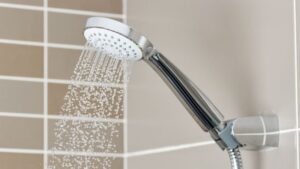
Washing your face in the shower is generally safe and won’t cause acne or damage your skin, but the water temperature and how long you spend in there really matter.
The main concern with shower face washing comes down to heat. If you have sensitive skin or conditions like rosacea, the extra heat and steam might cause redness or irritation. You’ll learn simple tips to make skin care while fitting face washing into your daily routine.
Risks of Washing Your Face in the Shower
While washing your face in the shower seems convenient, the hot water and shower environment can create problems for your facial skin that may lead to dryness, acne, and irritation.
Impact of Hot Water on Skin Barrier
Hot shower water strips away your skin’s natural oils. Your skin relies on these natural oils to prevent trans-epidermal water loss. This is when moisture escapes from deeper skin layers. Hot water makes this worse by opening your pores and weakening your skin’s defense system.
Water Pressure and Sensitive Facial Skin
Strong shower pressure can be too harsh for delicate facial skin. Your face is more sensitive than your body. High water pressure may cause redness or inflammation.
Potential for Dryness and Irritation
Long, hot showers increase your exposure to skin-damaging conditions. The combination of heat, steam, and time leaves your face feeling tight and dry afterward.
Understanding Skin Reactions and Common Concerns
Washing your face in the shower can trigger several skin problems, from increased breakouts to severe dryness, especially for people with sensitive skin or existing conditions.
Breakouts, Acne, and Product Buildup
As natural oils lose, your skin tries to fix this by making more oil to protect itself. This extra oil can clog your pores and lead to more breakouts.
Shampoo and conditioner running down onto your face during a shower contain ingredients that are too harsh for facial skin.
Effects on Sensitive Skin Types
If you have sensitive skin, shower washing makes things worse. The heat causes redness and inflammation. Your skin might feel tight or start stinging after you dry off.
People with rosacea see more flare-ups from hot water exposure. The temperature makes blood vessels expand, which increases redness.
Trans-Epidermal Water Loss Explained
Trans-epidermal water loss (TEWL) happens when moisture evaporates from your skin. Hot water damages your skin barrier, which speeds up this water loss. Your skin loses hydration faster than it can replace it, causing dryness and irritation.
Best Practices for Washing Your Face
Where you wash your face and how you do it can make a real difference in your skin’s health. The right water temperature and timing in your routine matter just as much as the cleanser you choose.
Sink vs. Shower: What’s Better?
Both the sink and shower work fine for washing your face. The location doesn’t matter as much as doing it correctly.
If you wash your face in the shower, you can save time and take advantage of the steam. The steam helps soften what’s inside your pores, making your cleanse more effective. Just keep your showers short and the water warm, not hot.
Washing at the sink gives you more control over water temperature. You can still benefit from steam by running warm water first. Use a gentle cleanser that works for your skin type instead of regular soap.
Choosing the Right Water Temperature
Hot water strips away your skin’s natural oils and can cause irritation. This is especially bad for sensitive skin or conditions like rosacea.
Use warm water instead of hot water. Test the temperature on your wrist first. The water should feel comfortable, not steaming.
Cold water works too and can help calm inflammation. Some people even prefer switching to cold water for their final rinse.
Cleansing Order in Your Routine
Wash your face twice daily: once in the morning and once at night. Evening cleansing is essential because it removes makeup, dirt, and pollution from your day.
Morning cleansing is optional unless you have oily skin or used overnight products. Always wash your hands before touching your face.
Use a non-abrasive cleanser that matches your skin type. For heavy makeup days, try double cleansing with an oil-based or micellar water cleanser first, then follow with your regular cleanser.
Tips for a Healthy Facial Cleansing Routine
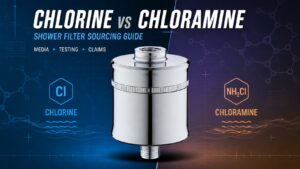
The best way to wash your face involves choosing the right products and following up with proper care to keep your skin healthy and balanced. Adding a multi-stage filtered shower head to your routine reduce chlorine and impurities that worsen dryness and irritation.
Selecting a Gentle, Non-Abrasive Cleanser
Pick a gentle, non-abrasive cleanser that matches your skin type. These products clean without stripping away natural oils.
Look for cleansers that don’t contain harsh scrubbing particles or strong chemicals. If you wear makeup regularly, try a double cleanse method. Start with an oil-based or micellar water cleanser, then follow with a gentle lathering formula.
Moisturizing After Cleansing
Don’t skip moisturizer after washing your face. Your skin needs hydration to stay healthy. Apply moisturizer while your skin is still slightly damp to lock in moisture.
Choose a moisturizer that fits your skin type. Oily skin needs lightweight formulas, while dry skin benefits from richer creams.
Additional Skincare After Washing
Add other products based on your skin’s needs. Apply treatments like serums or acne medication after cleansing but before moisturizing. Don’t forget sunscreen during your morning routine to protect against sun damage.
Contact Us & Inquiry Support
If you’re concerned about heat, shampoo runoff or mineral-rich water irritating your face, consider adding a shower filter. Leelongs’ multi-stage filtered shower heads and replacement cartridges are designed to reduce chlorine, heavy metals and other contaminants, so your post-shower skin stays hydrated and calm. Learn more about the range and specs before you upgrade.
Leelongs focus on water filtration technology and stylish, functional bathroom fixtures. specializing in large‑volume, standards‑compliant B2B supply. To protect your facial skin from the drying effects of hot water and harsh chemicals, we recommend integrating specialized filtration products into your daily routine.
- Best for Sensitive Facial Skin: The SH-30025 series is our best-selling solution for those with sensitive skin. These 5-inch beauty filtered shower heads utilize advanced multi-stage systems to neutralize up to 99% of chlorine.
- High-Pressure, Low-Irritation Options: The SH-2866 5-Mode Filter Shower Head allows you to adjust the spray settings to a gentler mode, which is ideal for washing your face without the harsh pressure that can cause inflammation.
- Scalp and Skin Protection Accessories: LL-SF022 Multi-Stage Refill Cartridge, this high-performance cartridge can be added to your existing setup to provide 15 or 20 stages of filtration, ensuring every drop of water that touches your skin is purified and gentle.
Contact Leelongs today to find the perfect filtration solution for your skincare routine!
Frequently Asked Questions
Is it bad for your skin to wash your face in the shower?
Washing your face in the shower isn’t terrible, but it’s not ideal. The main problem is the water temperature. Most people use water that’s too hot for delicate facial skin.
Hot water strips away your skin’s natural oils. This damages your skin’s protective barrier.
What are the reasons against washing your face under hot shower water?
Hot shower water removes the oils your skin needs to stay healthy. This leads to dryness and irritation. Your face may look red and feel tight after washing.
The heat can also make existing skin conditions worse. Conditions like rosacea and eczema get more irritated with hot water.
Can shower water affect the pH balance of your facial skin?
Your skin has a natural pH balance that keeps it healthy. Hot water and harsh products can disrupt this balance.
When your skin’s pH gets thrown off, you may experience more breakouts. Your skin might also feel dry or oily.
Are there any negative effects of using shower pressure on your face?
Strong shower pressure can be harsh on your facial skin. The force of the water can irritate sensitive areas.
High pressure may also damage your skin’s protective barrier over time.
How can showering lead to facial skin dehydration?
Hot shower water opens your pores and strips away natural moisture. This leaves your skin dehydrated and tight.
Body wash and shampoo runoff can also dry out your face. These products aren’t made for delicate facial skin.
What should you consider to prevent irritation when cleansing your face in the shower?
Use lukewarm water instead of hot water. Keep the water temperature comfortable to the touch.
Avoid letting shampoo and body wash run over your face. Turn away from the spray when rinsing hair products.