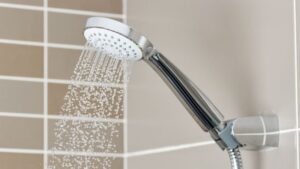
A dirty shower head can harbor bacteria, mold, and mineral deposits that irritate your skin and cause uncomfortable itching. These microorganisms thrive in the warm, moist environment inside your shower head and get sprayed directly onto your body every time you shower.
We’ll walk you through the symptoms to watch for simple cleaning methods that work, and when it’s time to see a doctor about your itchy skin.
How a Dirty Shower Head Can Lead to Itchy Skin
A dirty shower head can trigger itching through bacteria buildup, mineral deposits, and irritating substances that land directly on your skin. These problems affect both the water quality and what touches your body during each shower, especially if you experience itchy skin after a shower.
Biofilm, Bacteria, and Allergens
Biofilm is a slimy layer that forms inside your shower head. This sticky coating protects bacteria and mold, which gives them a safe place to grow. When you turn on the water, these germs spray out and land on your skin.
Bacteria like Pseudomonas can cause skin irritation and rashes. Mold and fungi trapped in the biofilm can trigger allergic reactions, leading to itchy patches on your body. Your warm, damp bathroom creates the perfect environment for these organisms to multiply quickly.
Mineral Deposits and Hard Water Effects
Hard water contains high levels of calcium and magnesium. These minerals build up inside your shower head over time, creating crusty deposits. When water flows through these deposits, it picks up extra minerals that can dry out your skin.
The mineral buildup also changes how water sprays from the nozzles. Instead of a smooth flow, you might get harsh, uneven streams that irritate your skin. Limescale deposits can make water feel rough and leave a film on your body.
This mineral film sits on your skin after you shower. It can clog your pores and prevent moisture from getting through, which makes itching worse.
Impact on Dry Skin
Dry skin becomes more sensitive when exposed to contaminated water.
People with conditions like eczema or psoriasis are especially vulnerable. A dirty shower head can trigger flare-ups and make existing itchiness much worse. The combination of harsh minerals and bacteria creates extra stress for already sensitive skin.
You might notice the itching gets worse in winter when indoor heating already dries out your skin. Adding dirty shower water to the mix makes the problem even harder to manage.
Release of Harmful Microbes
Every time you turn on your shower, water pressure dislodges bacteria and mold from inside the head. These microbes become part of the mist and water droplets that hit your skin. Some bacteria release toxins or enzymes that cause inflammation and itching.
The spray also creates tiny droplets you can breathe in. Breathing contaminated mist can affect your overall health. The same germs that cause skin itching can also irritate your respiratory system.
Regular cleaning removes these harmful microbes before they cause problems. Even a monthly vinegar soak can significantly reduce the bacteria count in your shower head.
Common Symptoms of Shower Head-Related Skin Issues
A dirty showerhead can trigger several uncomfortable symptoms, including itchy skin after a shower. These symptoms range from mild itchiness to more noticeable rashes and bumps.
Dry and Itchy Skin after Showering
Your skin might feel itchy and tight after showering when bacteria and mold from your shower head spray onto you. This itchiness can show up on your face, neck, arms, and legs. The feeling often gets worse if you already have dry skin.
Hard water minerals and chlorine from a contaminated shower head strip away your skin’s natural oils. This makes your skin feel rough and flaky. You might notice the itching starts right after you dry off or develops a few hours later as your body reacts to the irritants.
Redness and Rashes
Red patches on your skin after showering signal irritation from showerhead contaminants. These areas might feel warm or sensitive to touch. The redness typically appears where hot water hits your body most directly, often exacerbating dryness.
Eczema and Dermatitis
Bacteria and mold trapped in the internal biofilm can trigger severe flare-ups, while hard water minerals like calcium and magnesium strip away the skin’s protective barrier. This double-threat exacerbates skincare issues by clogging pores and preventing moisture absorption.
Hives and Bumps
Small itchy bumps can form when bacteria like Pseudomonas aeruginosa cause folliculitis. These bumps appear around hair follicles and may look like tiny pimples. Mold spores can also trigger hives as an allergic reaction.
Prevention and Effective Cleaning Methods
Keeping your shower head clean stops bacteria and mold from building up, which helps prevent itchy skin. Using filters and moisturizing your skin also protect against irritation.
Regular Cleaning Techniques
You should clean your shower head every one to three months.
Remove the shower head if possible and soak it overnight in white vinegar. This dissolves minerals and kills bacteria. Use an old toothbrush to scrub the nozzles gently, then rinse well before putting it back.
Can’t remove your shower head? Fill a plastic bag with vinegar and secure it around the head with a rubber band. Let it soak for several hours, then rinse thoroughly.
For tougher buildup, scrub with baking soda after the vinegar soak. This combination breaks down biofilms where bacteria hide.
Using Shower Filters and Softeners
Shower filters remove chlorine, heavy metals, and other irritants from your water.
Install a filter between your pipe and shower head. Replace the filter cartridge every three to six months based on your water quality and usage.
Water softeners specifically target “hardness” by addressing mineral ions. A softening cartridge helps water feel “slicker” to lather soaps and shampoos better and rinse away completely. This prevents the irritating soap scum film that often causes the persistent “itchy” feeling after a bath, especially when using certain body washes.
Best Practices for Moisturizing
Apply fragrance-free moisturizer right after drying off from your shower. This locks in moisture and repairs your skin barrier.
When to Seek Medical Advice for Persistent Itching
Most itching goes away on its own within a few days. However, some symptoms need a doctor’s attention to prevent complications and address underlying health issues.
Identifying Serious Skin Reactions
If you notice spreading redness, swelling, or warmth around itchy areas, this could signal an infection. Folliculitis from bacterial contamination can turn into painful boils or abscesses if left untreated.
Intense itching that disrupts your sleep or daily activities warrants medical evaluation. Skin that develops oozing, crusting, or severe inflammation needs professional care.
Symptoms Requiring Professional Attention
See a doctor if your itching lasts more than six weeks despite cleaning your shower head and changing your routine. This suggests an underlying condition beyond water contamination.
Additional warning signs include itching with fever, unexplained weight loss, or extreme fatigue. These symptoms might point to liver disease, kidney problems, or other systemic conditions. Persistent itching in the same spot can indicate nerve damage that won’t improve without prescription treatment.
Leelongs Solutions to Keep Your Skin
Ready to say goodbye to itchy, irritated skin? If you are looking for more information on our advanced skincare filtration technology or want to browse our full range of premium bathroom fixtures, the team at Leelongs is here to help.
To address the root causes of shower-related itching, we recommend the following premium products:
Specialized Filtered Shower Heads
- SH-30025 Beauty Filtered Shower Head: A 5-inch head featuring a 15-stage filter, perfect for those with sensitive skin.
- SH-2866 5-Mode Filtered Head: Offers multiple spray settings with superior filtration to reduce dry, itchy skin.
- SH-30020 Rainfall Filtered Head: Built-in filtration designed to deliver a strong, soothing rinse while reducing chlorine and impurities.
- SH-2959 Compact Filtered Shower Head: Delivers a powerful, filtered spray ideal for sensitive skin and drier climates with 5 modes.
- SH-2977 High-Flow Filtered Head: 3-function handheld shower with cartridge filtration to provide cleaner, gentler water for skin and hair.
- SH-2931 Rainfall Filtered Head: 8+1 mode high‑pressure handheld shower with filtration to boost spray strength while keeping water clean and healthy.
Our Filtered Shower Heads are designed to infuse water with Vitamin C while removing contaminants.
High-Performance Filter Cartridges
- LL-SF022 Multi-Stage Cartridge: Optimized for hard water mineral removal.
- LL-SF023 15-Stage Filtration: A universal fit designed specifically to reduce dry, itchy skin.
- LL-SF002B Multi-Stage Cartridge: Replacement filter cartridge (multi-stage options: 10/15/20 stages) for comprehensive chlorine and impurity removal.
- LL-SF029 12-Stage Replacement Cartridge: 2 in 1 Chlorine Water 12-stage filter cartridge offers chlorine reduction and multi‑stage purification for softer shower water.
- LL-SFO17 Scale & Mineral Cartridge: 12‑stage replacement filter reduces chlorine and chemicals for improved skin and hair feel.
- LL-SF111 High-Capacity Cartridge: 11‑layer composite filtration cartridge for extended filtration of chlorine, heavy metals, and impurities.
Contact us now to find the perfect filtration solution for your home or business!